BATON ROUGE, LOUISIANA
Located alongside the Mississippi River, Baton Rouge is often referred to as the River Capital. It’s a jewel of a city for visitors who desire a taste of Cajun and Creole cuisine, Mississippi riverboat casinos, exquisite 19th and early 20th century architecture, historic sites and simple family attractions. In short, it’s a sampler for the state of Louisiana. Numerous golf courses, recreation areas, waterways and the Southern University Jaguars sports teams can easily charm a day trip into tow or three days. Downtown Baton Rouge is astride the Mississippi River, allowing plenty of lazy glances at the many cargo boats passing by.
"Authentic Louisiana at Every Turn" the city says, Baton Rougans are very proud of their diverse history. Some of the best places to experience the history and architecture of the city are the many historic properties that impart their cultural influence today. Nearby plantations such as Oak Alley, Magnolia, Destrehan, Tezcuco and Laura, permit Baton Rouge to display the largest concentration of restored plantation homes in the South. Their large balconies and entrance architecture was influenced by the French, English, Spanish and Confederates who each governed Louisiana at one time and by the Africans and Caribbean islanders who worked the plantations.
A great deal of Baton Rouge French culture is maintained by descendants of immigrants who came from the Alsace region in France and the Acadian territory in Nova Scotia. Even today, many Acadians speak French as their first language. Stop at a downtown café and listen to them mix French and English as easily as they dip a beignet into café au lait.
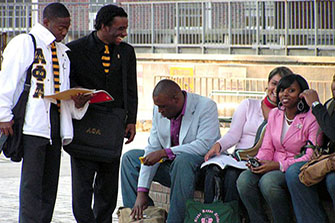
Zydeco music tradition is sustained by the many family gatherings and cultural events. Musical roots in the metro area have also spawned a Blues legend and a Hip-Hop legend. A wealth of African American heritage has been preserved on the plantations, LSU Rural Life Museum, and River Road African American Museum. Southern University is the largest HBCU in the country. Many alumni schedule return visits for all the festivities surrounding a Southern football game.
This 300-year old city has enough heritage sites, cuisine and general attractions for a weekend getaway, alumni visit or family reunion. When Baton Rouge opened its heart to its neighbors from New Orleans in 2005, it became the largest city in Louisiana. And each day it takes on a little more New Orleans flava’. When you visit, it will open its heart to you too! For even more Lousiana flava', check out the resource below.
"Authentic Louisiana at Every Turn" the city says, Baton Rougans are very proud of their diverse history. Some of the best places to experience the history and architecture of the city are the many historic properties that impart their cultural influence today. Nearby plantations such as Oak Alley, Magnolia, Destrehan, Tezcuco and Laura, permit Baton Rouge to display the largest concentration of restored plantation homes in the South. Their large balconies and entrance architecture was influenced by the French, English, Spanish and Confederates who each governed Louisiana at one time and by the Africans and Caribbean islanders who worked the plantations.
A great deal of Baton Rouge French culture is maintained by descendants of immigrants who came from the Alsace region in France and the Acadian territory in Nova Scotia. Even today, many Acadians speak French as their first language. Stop at a downtown café and listen to them mix French and English as easily as they dip a beignet into café au lait.
Zydeco music tradition is sustained by the many family gatherings and cultural events. Musical roots in the metro area have also spawned a Blues legend and a Hip-Hop legend. A wealth of African American heritage has been preserved on the plantations, LSU Rural Life Museum, and River Road African American Museum. Southern University is the largest HBCU in the country. Many alumni schedule return visits for all the festivities surrounding a Southern football game.
This 300-year old city has enough heritage sites, cuisine and general attractions for a weekend getaway, alumni visit or family reunion. When Baton Rouge opened its heart to its neighbors from New Orleans in 2005, it became the largest city in Louisiana. And each day it takes on a little more New Orleans flava’. When you visit, it will open its heart to you too! For even more Lousiana flava', check out the resource below.
LOUISIANA AFRICAN AMERICAN HERITAGE TRAIL
For centuries, African Americans in Louisiana have changed the world
with their ideas, art, and action. From street corners and marketplaces
to churches, cafes, universities, and beyond ... More
EMAIL ARTICLE
RESEARCH CREDITS:
Lysa Allman-Baldwin
Thomas Dorsey
Sheila Umolu